The digital retail landscape has fundamentally transformed. By 2026, visibility no longer means ranking on Google's first page—it means being cited by AI answer engines like ChatGPT, Perplexity, and Google's AI Overviews. For Shopify merchants, this shift from traditional search to AI-driven discovery represents both an existential threat and a massive opportunity. Shopify AEO specialists recognize that today's consumers increasingly bypass search results entirely, relying instead on conversational AI to deliver instant, synthesized answers. Stores that fail to optimize for these AI platforms risk becoming invisible to a growing segment of high-intent shoppers. This guide explains why partnering with a top AEO agency for Shopify stores is no longer optional—it’s essential for survival and growth in the AI-first marketplace.
Understanding AEO and Its Impact on Shopify Stores
Answer Engine Optimization (AEO) focuses on creating factual, clear content that AI models will cite in direct answers and summaries, rather than simply displaying your site as a search result. While traditional SEO aims to rank your pages where users can click them, AEO prepares your content to be extracted, understood, and recommended by AI systems that increasingly serve as intermediaries between consumers and brands.
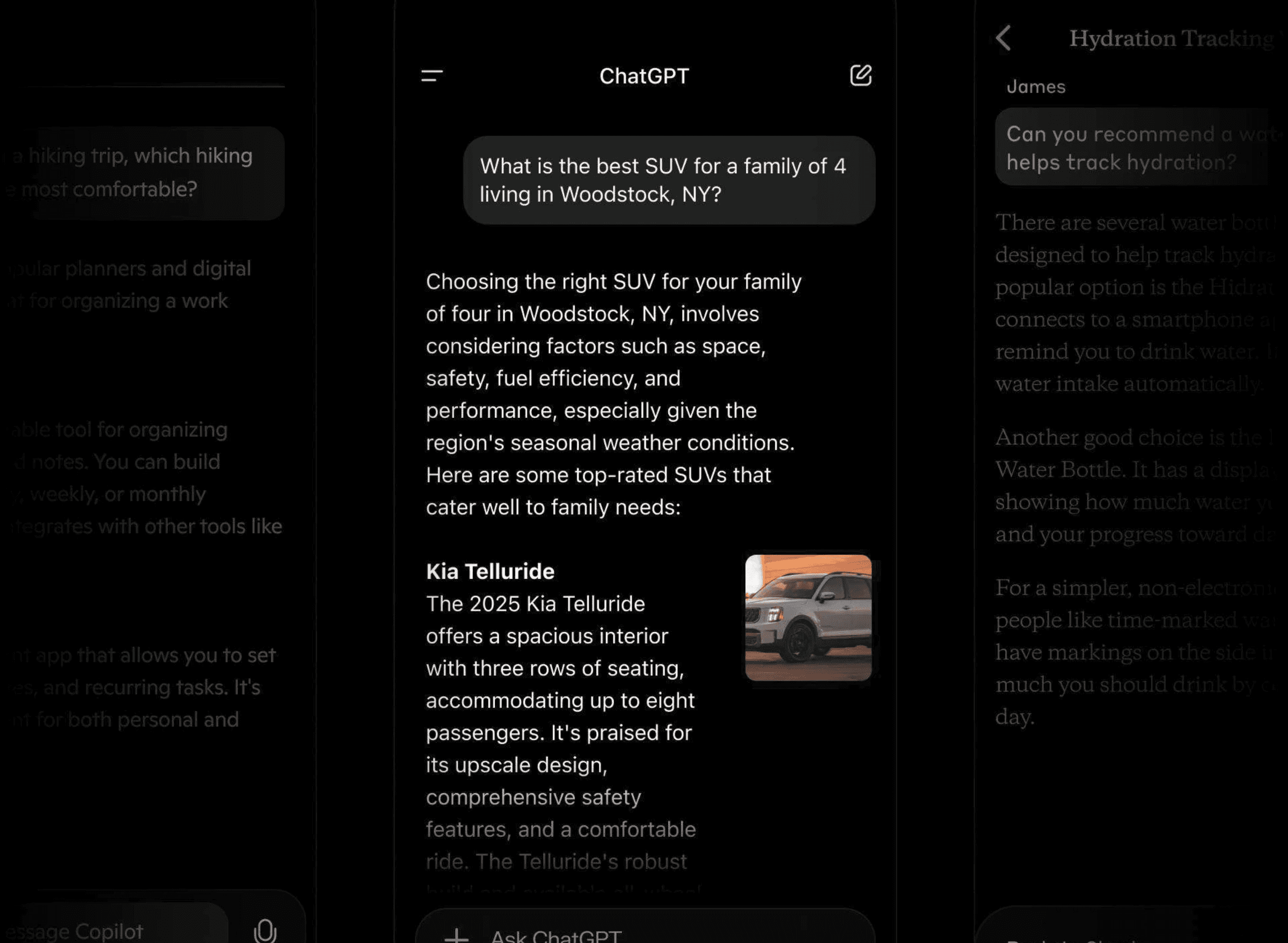
The distinction matters profoundly for Shopify merchants. When a shopper asks ChatGPT "What\'s the best organic skincare brand for sensitive skin?" or queries Google\'s AI Overview about "sustainable home goods under $50," they receive immediate, synthesized responses. These AI-generated answers draw from a curated set of sources the algorithms deem authoritative and well-structured. If your Shopify store isn\'t optimized for AI comprehension, you\'re simply not in the conversation
Key Trends Driving Shopify AEO in 2026
Several converging forces have made AEO critical for Shopify merchants in 2026, transforming it from an experimental tactic to a core visibility strategy.
First, AI-powered shopping assistants have achieved mainstream adoption. Platforms like ChatGPT, Google\'s Shopping Graph, and emerging commerce-focused AI tools now handle millions of product discovery conversations daily. These systems don\'t crawl websites the way traditional search engines do—they analyze structured content, extract key attributes, and synthesize recommendations based on semantic understanding. Shopify stores that haven\'t implemented proper schema markup, clear product hierarchies, and conversational content patterns remain invisible to these discovery channels.
Second, consumer behavior has shifted decisively toward conversational search. Rather than typing "blue running shoes size 10," shoppers now ask "What are the best running shoes for flat feet under $150?" This natural language query pattern demands content that directly answers questions with specificity and authority. Top AEO agencies for Shopify stores recognize this shift and structure content around question-answer formats, comprehensive buying guides, and detailed product attributes that AI can parse and recommend.
Third, Google\'s Search Generative Experience and AI Overviews have fundamentally changed the SERP landscape. Even traditional Google searches now often feature AI-generated summaries at the top, pulling information from multiple sources to create composite answers. For Shopify merchants, this means your product pages and content must be optimized not just to rank, but to be selected as a source for these AI-generated responses.
The technical infrastructure supporting AEO has also matured significantly. Schema.org vocabulary for e-commerce has expanded, platforms like Shopify have improved their structured data capabilities, and tools for validating AI readability have emerged. This technical evolution means there\'s no longer an excuse for poorly structured product data or content that AI models can\'t interpret.
Finally, competitive pressure has intensified. Early adopters of AEO strategies are already capturing disproportionate visibility in AI answer engines, creating a first-mover advantage that becomes harder to overcome as AI models develop citation preferences based on historical authority signals. Shopify stores that delay AEO implementation risk being permanently overshadowed by competitors who\'ve already established themselves as trusted sources in AI training data and retrieval systems.
What Does AEO Agency For Your Shopify Store Actually Do?
The best agency for Shopify AEO delivers a comprehensive optimization framework that extends far beyond traditional SEO tactics. These specialized agencies understand the technical, content, and strategic layers required to make your store visible and citable in AI-powered discovery environments.
A top-tier Shopify AEO agency begins with a thorough AI visibility audit. This assessment examines how your store currently appears—or doesn\'t appear—when relevant queries are posed to major AI platforms. The audit identifies gaps in structured data implementation, evaluates content clarity and factual density, and benchmarks your AI citation frequency against competitors. This diagnostic phase reveals exactly where your store is losing visibility opportunities in the AI-driven customer journey.
Technical optimization forms the foundation of effective AEO. Agencies implement comprehensive schema markup across your entire Shopify catalog, ensuring every product, category, review, and FAQ is properly tagged with structured data that AI models can easily parse. This includes Product schema, Offer schema, Review schema, and specialized markup for attributes like size, color, material, and sustainability credentials. Beyond basic schema, agencies optimize your site\'s information architecture to create clear semantic relationships between products, categories, and content—helping AI understand your catalog\'s structure and the connections between items.
Content transformation represents the creative dimension of AEO. Agencies rewrite product descriptions to balance persuasive copywriting with factual clarity, ensuring AI models can extract key attributes while maintaining compelling messaging for human readers. They develop comprehensive FAQ sections that directly address common customer questions in natural language, creating content blocks that AI systems readily cite. Buying guides, comparison articles, and educational content are structured with clear headings, definitive statements, and semantic richness that makes them prime candidates for AI extraction and recommendation.
Strategic positioning work ensures your brand develops the authority signals that AI models use to determine trustworthiness. This includes citation building across authoritative directories and publications, developing thought leadership content that establishes expertise, and creating consistent NAP (name, address, phone) data across the web. Top agencies, like U&AI, understand that AI models evaluate source credibility much like humans do—through consistent mentions, authoritative backlinks, and demonstrated expertise.
Ongoing monitoring and optimization keep your AEO strategy responsive to the rapidly evolving AI landscape. Agencies track your citation frequency across major AI platforms, monitor how your content is being extracted and presented, and continuously refine structured data and content based on performance data. This iterative approach ensures your Shopify store maintains and expands its AI visibility as algorithms evolve and new AI discovery platforms emerge.
Check how often your brand gets mentioned
Do I need AI Presence for my business?
Frequently Asked Questions
Do I need AEO for my business?
AI shapes what your customers trust and who they choose. Platforms like ChatGPT and Google AI Overview have rapidly become go-to sources for trusted information. Real buying decisions now happen across a mix of invisible touchpoints - and a conversation with AI is one of them. We build the layer that validates your brand in those moments and helps drive conversions. Most brands haven’t caught up. Right now, the space is open, but once AI starts associating your category with another name, it becomes harder to shift. Securing your position early is foundational to long-term brand relevance.
How long until I see results?
It depends on your industry and average sales cycle. Most brands begin to see visibility shifts within 30–45 days that influence traction and brand awareness, especially across the invisible touchpoints where modern decisions happen: search, content, referrals, and increasingly, AI platforms. We track early movement, align it with your sales timeline, and refine from there. This isn’t a quick hit. It’s sustained brand positioning built to match how modern decisions are made.
How is performance measured?
We track results across multiple signals to connect AI visibility to real business outcomes. We monitor click-throughs coming from AI platforms. We track AI crawlers to understand how and when your brand is being indexed. We measure how often your brand is surfaced in relevant AI queries and how that compares to competitors. We watch for branded search trends to detect spikes in interest tied to visibility. We gather lead feedback by asking your team to flag customers who mention finding you through AI. And finally, we compare pre- and post-activation sales performance to assess lift across your full sales cycle.
Do I still need to do regular SEO?
Yes — but AI visibility operates on a different layer. Traditional SEO helps you rank on search engines. We focus on how your brand shows up inside AI platforms like ChatGPT and Google AI Overview, where rankings don’t exist — only references, relevance, and trust.
Do you replace my marketing team?
No. We work alongside them. Your team runs the channels — we shape the layer that feeds them. Our insights inform strategy, refine messaging, and strengthen visibility across AI platforms.
How do you know what AI says about us?
We run thousands of structured prompts daily across multiple AI engines, simulating a wide range of user intents tied to your brand, category, and competitors. We analyze how you’re positioned in outputs — including answers, summaries, side-by-sides, and recommendation contexts. Our system scans for frequency, sentiment, source attribution, and competitor proximity. The result is a multi-dimensional visibility map, which we translate into precise strategy and execution.
What kind of actions do you take?
Executions/Actions are the content and technical actions we take to improve how AI tools describe your brand. AI is changing everyday, and so the executions needed. Examples include: AI-optimized blog posts Website FAQ or copy edits Schema markup updates (JSON-LD) Reddit or Quora visibility (engagement or posting) PR Opps Fixes for incorrect or outdated info in AI summaries Anything we find relevant to you AI Visibility Everything is tied to your industry, visibility strategy, and current trends.
Do I need to give you access to my accounts?
Limited access is necessary. We need access to your website analytics and, depending on trends, support in creating or managing presence on platforms like Quora or Reddit - especially if you don’t already have a community manager in place.
Can you shift negative brand perception?
Yes — but not by covering it up. We identify where negative sentiment is coming from, understand why it’s being surfaced, and build a strategy to shift the narrative over time. That can include strengthening positive signals, refining messaging, and in some cases, removing harmful or outdated reviews when possible.